Defining Your Ideal Client: The Crucial Key to Business Success

Defining Your Ideal Client: The Crucial Key to Business Success

A2M Consultants - Michael Andrew - Defining Your Ideal Client: The Crucial Key to Business Success Article

Understanding your audience is the cornerstone of any successful business strategy.

Amidst the myriad challenges businesses face today, one fundamental yet often overlooked aspect is defining the ideal client. This process of creating a detailed persona or profile of your most valuable customer base holds immense importance in steering a company toward growth and success.

 Understanding the Ideal Client 

The ideal client isn’t merely a demographic profile; it’s an intricate amalgamation of characteristics, aspirations, pain points, and behaviours. It involves delving beyond surface-level demographics and understanding the psychographics—their values, interests, and motivations. Who are they? What drives their decisions? What challenges do they face that your product or service can solve? These questions form the cornerstone of creating an ideal client profile. 

Importance in Targeted Marketing 

Tailoring marketing efforts to resonate with a specific audience is crucial. Defining the ideal client enables businesses to craft targeted messages, select appropriate channels, and create content that speaks directly to the needs and desires of this audience. This targeted approach significantly boosts the effectiveness of marketing campaigns, maximizing returns on investment and minimizing wasted resources. 

Efficient Resource Allocation 

In a competitive landscape, resource optimization is paramount. Understanding the ideal client allows companies to allocate resources—be it time, money, or effort—efficiently. Rather than spreading efforts across a broad spectrum, focusing on the audience most likely to convert leads to better outcomes. It streamlines marketing spend and efforts, optimizing every marketing dollar spent for maximum impact. 

Enhanced Product Development 

Building products or services that cater precisely to the needs of your ideal client is a surefire way to foster customer satisfaction and loyalty. Through a clear understanding of the ideal client’s pain points and requirements, businesses can fine-tune their offerings, ensuring they are perfectly aligned with what their audience seeks. This not only improves the customer experience but also fosters brand loyalty and advocacy. 

Improved Communication and Relationship Building 

Effective communication lies at the heart of every successful business-client relationship. When a company truly understands its ideal client, communication becomes more precise and relatable. Messaging resonates with the audience, fostering a deeper connection and trust. Clients feel understood and valued, enhancing long-term relationships and customer retention. 

Conclusion 

Defining the ideal client isn’t a one-time task but an ongoing process that evolves with the market and consumer behaviour. Businesses that invest time and effort in understanding their ideal clients gain a competitive edge. They pivot their strategies, products, and communication to effectively address the needs of their most valuable customer segment. Ultimately, this understanding fuels growth, fosters brand loyalty, and drives business success in an ever-evolving marketplace.


The importance of a sound foundation for your business

The importance of a sound foundation for your business

A2M Consultants - The importance of a sound foundation<br />
for your business Unleashing Potential exploring the World of<br />
Business Coaching and Its Beneficiaries

Unleashing Potential Exploring the World of Business Coaching and Its Beneficiaries

The foundation of a successful business lies in its clarity of purpose and direction, encapsulated in the trio of vision, mission, and value statements. These statements serve as guiding principles, shaping the identity and objectives of the organization.

  • Vision Statement:

At the core of any thriving business is a compelling vision that paints a vivid picture of the future. A well-crafted vision statement encapsulates the aspirations and long-term goals of the company. It serves as a north star, providing a shared understanding among stakeholders about where the organization is headed. For example, a technology company’s vision might be to “create a world where technology empowers and connects every individual.”

  • Mission Statement:

Complementing the vision, the mission statement outlines the fundamental purpose of the business. It delves into the ‘what’ and ‘how’ of the organization’s operations. A clear mission statement communicates the products or services offered and the value they bring to customers. Continuing with the tech company example, a mission statement could be “to provide innovative and accessible technology solutions that enhance the lives of our users.” 

  • Value Statements:

Values serve as the ethical backbone of a business. These principles guide decision-making, employee behaviour, and relationships with customers and partners. Value statements articulate the core beliefs and priorities of the organization. In the case of the technology company, values might include “integrity, innovation, customer-centricity, and sustainability.” 

Why are these Statements Crucial?

  1. Alignment: Vision, mission, and values align the entire organization towards a common purpose. When every team member understands and embraces these statements, they work cohesively toward shared objectives.
  2. Decision-Making: These statements act as decision-making filters. When faced with choices, referring to the vision, mission, and values ensures that decisions are in harmony with the organization’s overall direction and principles.
  3. Brand Identity: Clear and compelling statements contribute to a strong brand identity. Customers and stakeholders are more likely to connect with and support a business that stands for something beyond profit.
  4. Employee Engagement: Vision, mission, and values create a sense of belonging and purpose for employees. When individuals see their work contributing to a greater goal, it enhances motivation and job satisfaction.

In conclusion, the foundation of a business rests on the articulation and embodiment of its vision, mission, and values. These statements serve as a roadmap, providing direction, purpose, and ethical guidelines. When carefully crafted and consistently integrated into the company culture, they become powerful tools for success and sustainability.

The Crucial Role of Business Systems and Procedures for Small Businesses

The Crucial Role of Business Systems and Procedures for Small Businesses

A2M Consultants - Streamlining Success - The Crucial Role of Business Systems and Procedures for Small Businesses

In the dynamic landscape of small businesses, where every decision can make or break success, the implementation of effective business systems and procedures stands out as a key determinant of sustainable growth. These structured frameworks not only bring order to the daily operations but also pave the way for improved efficiency, enhanced productivity, and long-term success. 

  1. Efficiency Enhancement: Small businesses often operate with limited resources, making efficiency a critical factor. Implementing well-defined systems and procedures helps streamline workflows, minimizing unnecessary steps and optimizing resource utilization. This, in turn, allows businesses to achieve more with the available resources, ultimately boosting productivity. 
  1. Consistency and Quality: Establishing standardized procedures ensures consistency in products or services, fostering customer trust and loyalty. Small businesses that maintain a consistent level of quality are more likely to build a positive reputation, leading to repeat business and positive word-of-mouth referrals. 
  1. Risk Mitigation: Business systems and procedures play a crucial role in risk management. By clearly outlining processes and protocols, businesses can identify potential risks and implement preventive measures. This not only safeguards the business against unforeseen challenges but also provides a foundation for effective crisis management.
  1. Employee Training and Development: Well-defined procedures serve as a valuable resource for employee training and development. New hires can quickly grasp the essential steps and expectations, reducing the learning curve. Additionally, clear procedures contribute to a more skilled and confident workforce, driving overall business competence. 
  1. Scalability and Adaptability: As small businesses grow, scalability becomes a pressing concern. Implementing robust business systems and procedures from the outset ensures that operations can scale seamlessly. Furthermore, it provides the flexibility needed to adapt to changing market conditions, technological advancements, and evolving customer demands.
  1. Resource Optimization: Efficient resource management is fundamental for small businesses aiming to maximize profitability. Business systems and procedures aid in identifying areas of resource waste and inefficiency, allowing businesses to reallocate resources strategically, cut unnecessary costs, and reinvest in areas that drive growth. 
  1. Customer Satisfaction: A well-structured business system not only benefits internal processes but also significantly impacts customer satisfaction. Streamlined procedures lead to faster response times, accurate order processing, and timely delivery of products or services, all of which contribute to a positive customer experience. 
  1. Compliance and Governance: Small businesses are subject to various regulations and compliance requirements. Implementing robust systems and procedures ensures that the business operates within legal frameworks, reducing the risk of penalties or legal issues. This commitment to governance also instils confidence among stakeholders. 

Conclusion: 

In the competitive realm of small businesses, success hinges on the ability to navigate challenges efficiently and deliver consistent value. Business systems and procedures act as the guiding compass, steering these enterprises toward growth, adaptability, and sustained success. Embracing a culture of systematic operations is not merely a choice for small businesses; it’s a strategic imperative that lays the foundation for resilience and prosperity in a rapidly evolving business landscape.

7 Elements of a Successful Business

7 Elements of a Successful Business

7 Elements of a Successful Business

7 Elements of a Successful Business

In these very tough times businesses are struggling but there are a few that are managing to survive or even thrive! What do these businesses have that others do not? In my experience as a business coach there are 7 critical aspects which allow them to grow.

These are:

  1. Foundation: All successful businesses have a strong foundation. This is based on;
    • A strong Vision which gives them purpose and direction
    • A strong Mission Statement which says how they will achieve this Vision
    • A strong Culture Statement that sets the standard as to how the business will behave internally and towards their clients.
  1. Strong knowledge of the Products or Services: It is vitally important to know what you are offering your clients. Offering specific products or services that meet the needs of potential clients will attract people to your business.
  2. A Strong definition of the Niche Market you serve. To many businesses say that they can help anybody, and they probably can, but this shot gun approach doesn’t allow them to focus in on specific marketing strategies So knowing who your ideal client is becomes very important to the small business owner with a limited budget for marketing.
  3. A proper Marketing Strategy and Plan: Gone are the days when we could open a business with good products and services and clients would flock to our door, now we have to let the clients know where we are and what we offer and very often we need to convince them why we are the business to buy from.
  4. A strong Team: If you are still trying to do everything on your own then invariably you are letting things fall through the cracks. This can mean bad service, losing customers and money. Having a team who can work with you can assist in the process of growth. Your Team needs to be the right people, doing the right things, to the desired standard and having properly trained staff will assist in this.
  5. Procedures and Processes: A business with proper procedures and processes means that things get done correctly first time, every time. This means that time is not wasted, and people are utilised to full capacity as much as possible. This creates efficiencies and allows for maximum productivity.
  6. They Monitor and measure critical areas on a daily basis: Some of these include:
    • Turnover
    • Expenses
    • Stock
    • Effectiveness of marketing efforts
    • Cost of acquiring new clients.
    • Average income generated by new clients.
    • Debtors and Creditors
    • Cash flow

Time consuming you might say, but vitally important to keeping your business growing.

Should you want to learn more, contact me for a free coaching session where we can look at your business and I can see how we can get your business on  the growth path you deserve,

The Foundation of your Business

The Foundation of your Business

There are 4 critical area that make up the foundation of your business. Without these you are like the house built on the sand which gets washed away by the floods. These areas are:

  1. Your VISION for your business. What is a Vision Statement? It is a document, usually very short, that describes the current and future goals of the business. It allows business owners and their managers to align decision making with the objectives of the organization. Examples of company’s vision statements are:
  • McDonalds: To be the best quick service restaurant experience…
  • Nike: Bring Inspiration and Innovation to every athlete in the world…
  • IKEA: Our Vision is to create a better everyday life for many people.

What characterises these Vision Statements? They are short, to the point and inspirational.

  1. Your MISSION STATEMENT. It is often asked how this differs from your Vision, so lets look at this first. The Vision Statement as described above deals with the desired future of the business, so defining a state which is still to be achieved. The Mission statement on the other hand, describes the company’s business, its objectives and how they will operate to achieve these objectives. Mission statements are often longer than a vision statement and contain more detail. Examples of Mission Statements are:
  • Amazon: To be earths most customer centric company, where customers can find and discover anything they might want to buy online, and endeavours to offer its customers the lowest possible prices.
  1. Your Value Statement: A Value statement is a list of values that the business ascribes to. Yes, there are the usual ones like Honesty, Integrity, Customer centricity but these also need to show your clients/customers what you stand for. Some companies just list the desired attributes, others turn each one into a statement, others create a story around them. How you do it is up to you as the business owner. The most important aspect of this statement is that it should inspire people to want to do business with you. And conversely it must illustrate how you will do business with them.
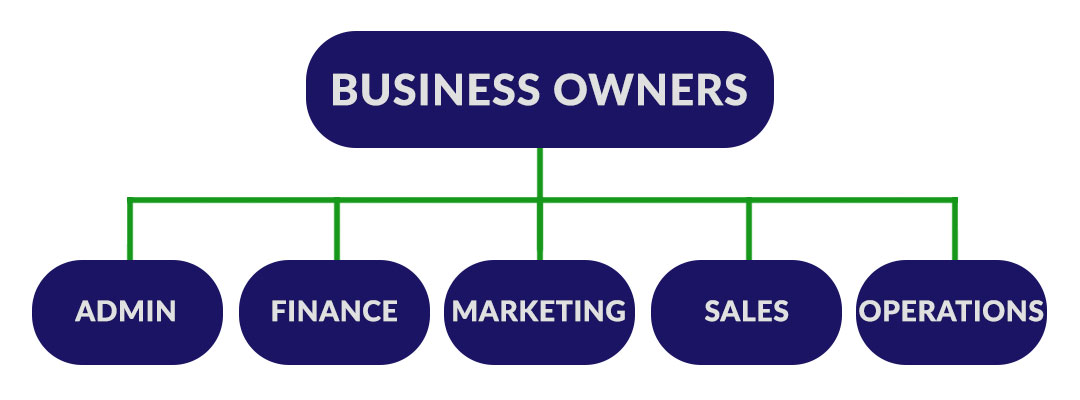
  2. The fourth element of your Foundation is your structure. All businesses have a standard structure which can be expanded but never contracted. This structure is as follows:

As can be seen each of these areas is critical to a business. None can be left out of your daily routine. This is the mistake often made by business owners, they focus on the area that they are good at and neglect the area where they are not as competent or dislike. Many of you, like me, neglect the admin and finance areas. This will come back to bite you!

Remember, you are not alone, if you need assistance in any of these areas, contact me for a free coaching session where I can point you in the right direction.


Why use a SWOT Analysis

Why use a SWOT Analysis

So you have your DREAM chart/story/recording and have developed those into GOALS. Or did you? Have you looked at last week’s task and said “ wow, that’s great but seems like so much hard work!” and then left it for another day! The time to start is now! So let’s begin on our wonderful journey to success!

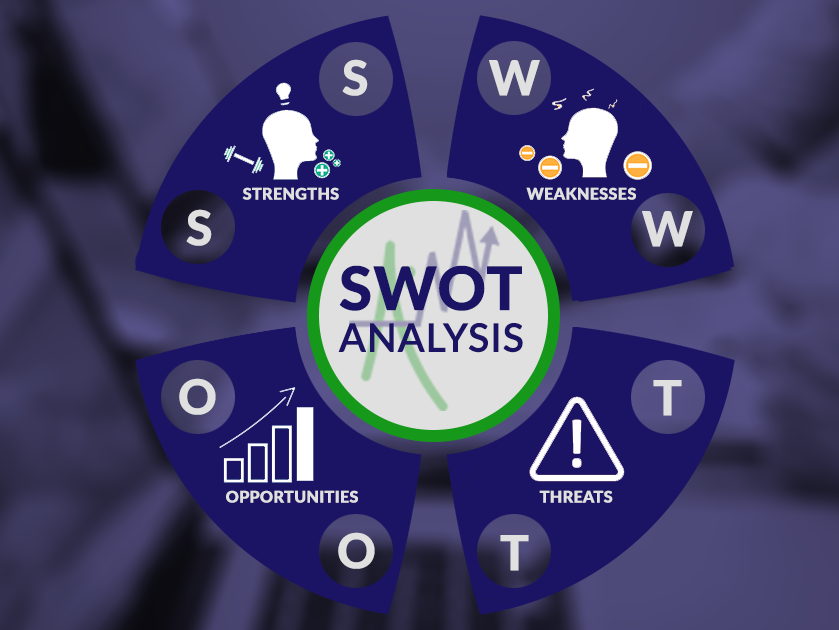
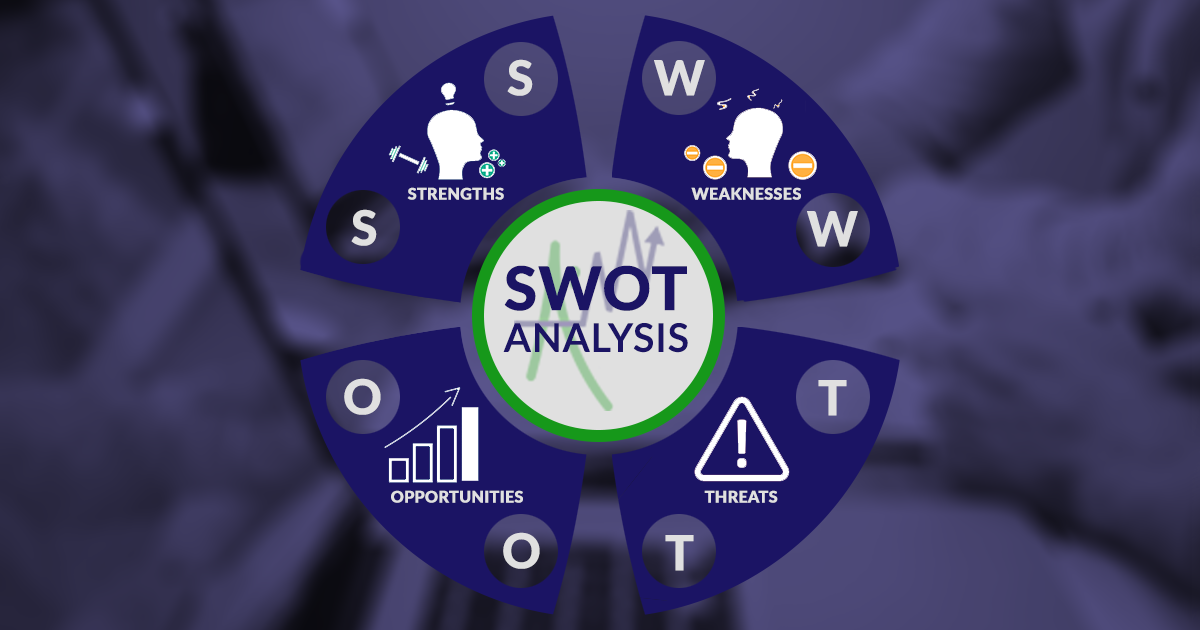
To start we are going to take a closer look at your business. To do this we will use a SWOT analysis. This is a technique developed by Albert Humphrey while leading a research team at Stanford University in the 1960s. It is designed to help organisations in their strategic planning and is a simple way of putting your business in perspective so as to allow you to make decisions about your future.

It allows you to take a critical look at your business by assessing your STRENGTHS These are those things that you consider to be ASSETS to your business. This could include things like:

  • Your Uniqueness in your area both technically and physically
  • The staff that you have and their level of training and competence
  • Your location
  • Your level of debt in the business (could also be a weakness if it is negative)
  • Your physical assets
  • Your level of expertise in your industry
  • And many more things specific to your business

These are things that you can build on and turn into unique selling points.

Secondly, you need to look at your WEAKNESSES. Here you need to be brutally honest and don’t gloss over things because you think that they are insignificant. Even find an “unreasonable friend” who will be honest with you and ask them to list weaknesses for you. Many people get an outside opinion for this often through surveys or engaging with a consultant. Client feedback is another valuable source of information. Examples could include:

  • Comebacks on your products
  • Slow service
  • Bad administration
  • No or little marketing
  • Attitude
  • Lack of training for staff
  • No procedures or processes
  • Weak management of time, money and people
  • A lack of consistency in delivery of your product or service
  • Spending too much time working “IN” your business and not enough time working “ON” the business.
  • Your drive as a business owner with very little motivation and direction
  • No plan as to how to move forward.
  • And many more………

Don’t worry it is always a trend that we are able to list many more weaknesses! The important thing is not to ignore them, to rather understand them and see which ones we need to address in order to get ahead. Changing some of these weaknesses can often lead to gaining low hanging fruit and changing your business in a positive manner.

The third part of your SWOT Analysis is to look at your OPPORTUNITIES. These represent an assessment of the environment within which you operate. What are the things/areas in this environment that you can exploit to your businesses advantage? Look to things like:

  • What you offer that your competitors don’t
  • Gaps in the market place that you can fill
  • Areas that are not exploited fully and are ideally suited to your strengths
  • Things which are allied to your business and if you were to enter that part of the market would be a strength
  • Systems available to you that could make you more efficient
  • Training that might give you an edge
  • Expansion possibilities
  • And many more.

These can be both INTERNAL and EXTERNAL OPPORTUNITIES.

The last part of the Analysis is the THREATS. Threats are those things or elements in your environment that could cause you trouble in the future. Such as:

  • Competitors
  • Bad service in your business
  • Political issues
  • Corruption
  • Distance
  • Safety issues
  • Lack of resources
  • Lack of investment
  • Etc

Once you have done the analysis for each of the GOALS you have set for yourself/your business then you can look at whether there are possibilities and it will inform your plans.


TASK for the coming week: Perform a SWOT analysis. Dig as deeply into the Strengths, weaknesses, opportunities and threats that affect each of the GOALS and assess their viability.

If you think that this post is worthwhile please share it with your business friends and get them to like my page.